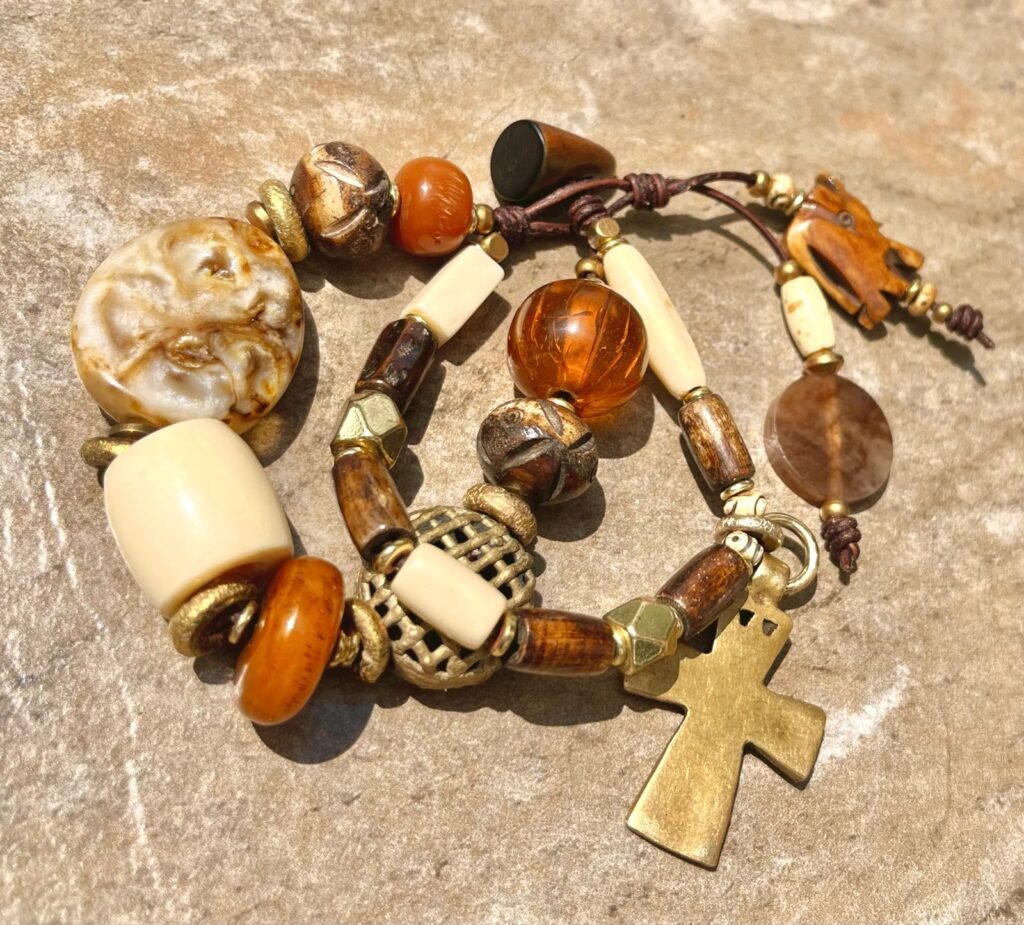
The Art and Heritage of African Tribal Beads
A Journey Through Materials and Techniques
African tribal beads serve as a profound testament to the continent’s rich cultural heritage and artistic expression. They play an essential role in various traditions and rituals, reflecting the historical narratives and social structures of the communities that create them. Beads are not merely decorative items; they embody stories, beliefs, and the identities of the people who wear them. In many cultures, beads are used in ceremonies such as weddings, initiations, and funerals, marking significant life events and transitions.
The significance of these beads extends beyond their aesthetic appeal. In numerous African societies, specific colors, patterns, and materials possess distinct meanings. For instance, the color red may signify strength or danger, while blue could represent peace or healing. This symbolism allows individuals to convey messages about their status, community membership, or personal beliefs through their beadwork. Moreover, tribal beads often serve as currency in trade, illustrating their practical value in addition to their cultural importance.
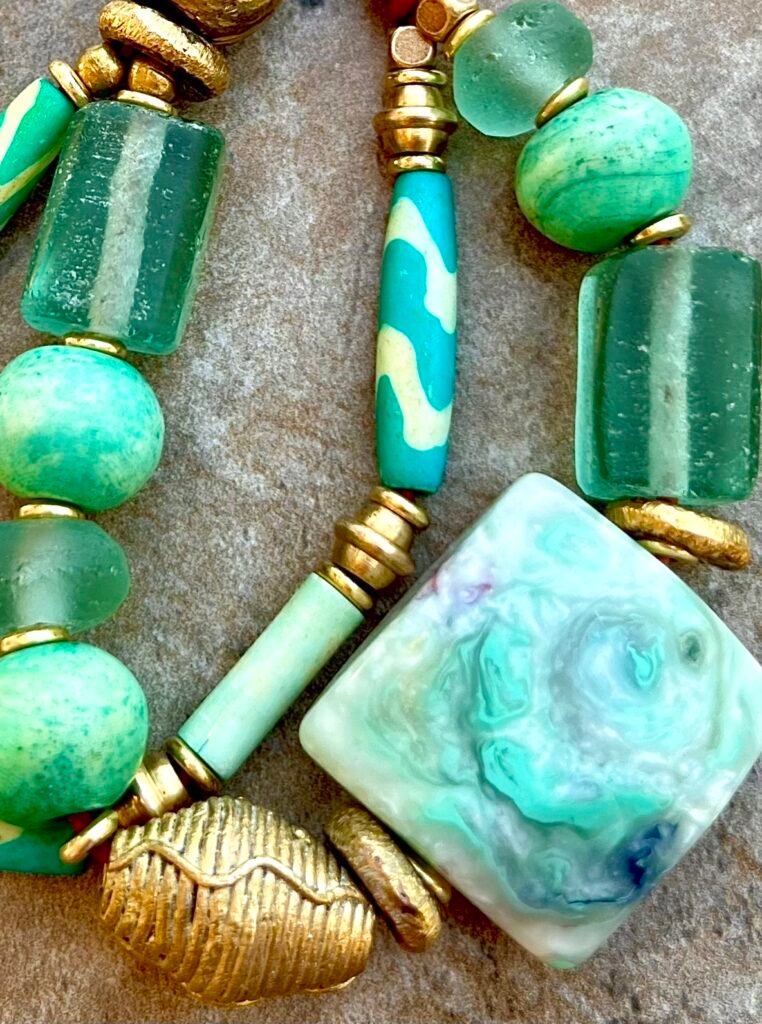
The techniques and materials used in bead-making are just as diverse as the cultures they originate from. Regions across Africa employ various methods to craft beads, utilizing sources ranging from natural materials like clay, wood, and bone to more modern elements such as glass and metal. Each tribe has its unique style and technique which are often passed down through generations, ensuring that these artistic traditions thrive. This creative process involves not only skill but also deep-rooted knowledge of local resources and traditional craftsmanship.
As we delve further into this exploration of African tribal beads, we will uncover the intricacies of their making, the variety of materials employed, and the deeper meanings that these vibrant artifacts hold in the tapestry of African heritage.
The Lost Wax Technique: An Ancient Craft
The lost wax technique, or cire perdue, boasts a rich history that dates back thousands of years and is integral to the craft of African bead making. Originating in various cultures, this method involves creating a mold for metal components, including beads, through the meticulous modeling of wax. Artisans begin with a detailed wax model, which is then coated with a heat-resistant material that will form the mold. Once this coating hardens, heat is applied, causing the wax to melt away and leaving behind a hollow cavity in the shape of the original model.

This ancient technique has significant cultural relevance across various African communities. It is not merely about the production of jewelry; rather, it represents a rich tapestry of tradition and craftsmanship. The process serves as a medium for storytelling, where every bead carries a history, a message, or a spiritual significance. The resulting metal beads are often adorned with intricate designs, reflecting the artistry and ingenuity of their makers. This method allows artisans to exercise great creativity while ensuring that each piece is unique, as slight variations during the modeling process add to the character of the final product.
The steps involved in the lost wax technique are both intricate and labor-intensive. After the wax modeling is complete, the mold is filled with molten metal, such as bronze or silver, creating a durable and sophisticated bead. Once cooled, the mold is broken away, revealing the detailed bead, which is then further refined through polishing and finishing techniques. The entire process illustrates not just the technical skill required, but also the deep-rooted cultural significance embedded within each bead that emerges from this ancient craft. This art form continues to be a crucial element of African heritage, celebrated for its complexity and the story it tells through each handcrafted piece.
Recycled Glass Beads: A Sustainable Tradition
Recycled glass beads, a significant element of African tribal adornment, exemplify a sustainable craftsmanship tradition that is deeply intertwined with the continent’s cultural heritage. The process of creating these vibrant beads begins with the collection of discarded glass items, such as bottles and jars. Artisans meticulously break down the glass and then melt it at high temperatures to form molten glass. This molten glass is shaped into beads using various techniques, such as rolling, molding, or hand-blowing, ensuring that each bead is unique in color and texture. The resulting products not only serve as decorative items but are also imbued with stories from the glass’s previous life.
The history of glass bead-making in Africa dates back centuries, with its roots tracing back to ancient methods of using natural materials for adornment. However, the advent of recycled glass beads has revolutionized this tradition. As communities have recognized the potential of repurposing materials, the craft has emerged as a solution to both environmental and economic challenges. By transforming waste into art, artisans contribute to reducing landfill waste while promoting a circular economy that supports local livelihoods.
Moreover, the production of recycled glass beads plays a vital role in enhancing economic opportunities for several communities across the African continent. Artisans, particularly women, engage in bead-making, providing them with a source of income and fostering entrepreneurship. The increasing demand for sustainable products in global markets has further boosted this industry, creating networks that link local artisans with international buyers. This not only preserves cultural practices but also ensures that the work remains relevant in a rapidly changing world.
In conclusion, recycled glass beads embody a sustainable tradition rooted in creativity and resourcefulness, reflecting the rich heritage of African craftsmanship. Through the transformation of discarded materials, these beads tell a story of resilience and environmental awareness, ultimately enriching both local economies and global communities.
Bone and Horn Beads: Natural Materials with a Story
Bone and horn beads represent a significant facet of African bead-making traditions, serving not only as decorative items but also as carriers of cultural narratives and spiritual significance. The origins of these materials are deeply rooted in the practices of various tribes, where bone is often sourced from animals that have been ethically procured through hunting or as a byproduct of the meat industry. In some cases, sacred animals are specifically chosen for the creation of these beads, with the intention of honoring the creature’s spirit and promoting sustainable practices that respect the balance of nature.
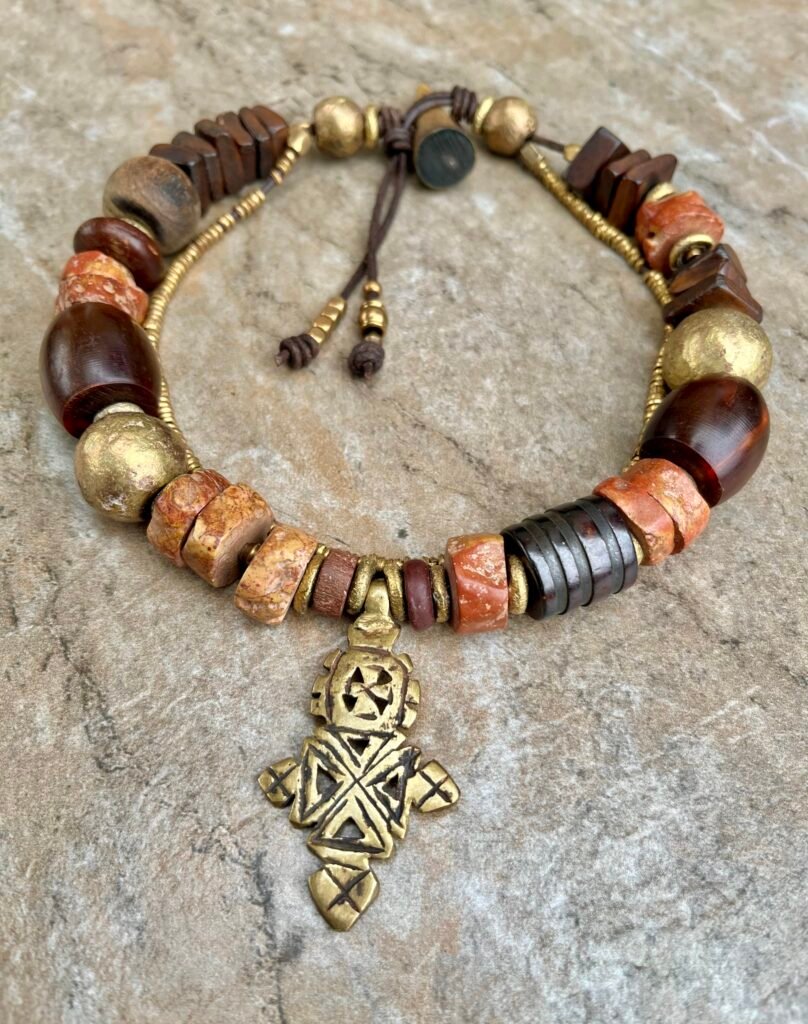
The process of transforming bone and horn into intricate beads is labor-intensive and requires considerable skill. Artisans begin by cleaning and preparing the materials, often using methods that avoid waste and emphasize sustainability. The reduction of larger pieces into smaller beads involves intricate carving and polishing techniques that highlight the natural textures and colors of the bone and horn, enhancing their aesthetic appeal. Each bead can take several hours to complete, incorporating designs that are symbolic to the culture of the artisan’s tribe—ranging from geometric patterns to representations of animals and natural elements.
The symbolic meanings associated with bone and horn beads are diverse and profound. In many African cultures, these materials are believed to carry protective qualities, serving as talismans against negative energies or as symbols of strength and resilience. Additionally, they often signify status or lineage, with specific designs reserved for tribal leaders or during significant life events such as births, marriages, and funerals. By wearing or gifting these beads, individuals connect to their ancestry and the storytelling traditions that have been passed down through generations, reaffirming their identity and cultural heritage.
Other Natural Materials in Bead Crafting
The craft of bead-making in Africa transcends the mere act of creation; it is an intricate blend of culture, tradition, and artistry. While glass and stone beads are widely recognized, several other natural materials play a crucial role in the bead-making process. Among these, seeds, wood, and clay stand out for their unique properties and cultural significance.
Seeds from various plants have been utilized for centuries in African bead-making. Notably, the seeds of the “Moringa” tree or “Wolof” beans are favored for their durable nature and natural aesthetic. These seeds often possess vibrant colors and intricate patterns, making them suitable for jewelry and ceremonial adornments. Moreover, the use of seeds holds deep cultural meaning, often representing fertility or health within various tribes.
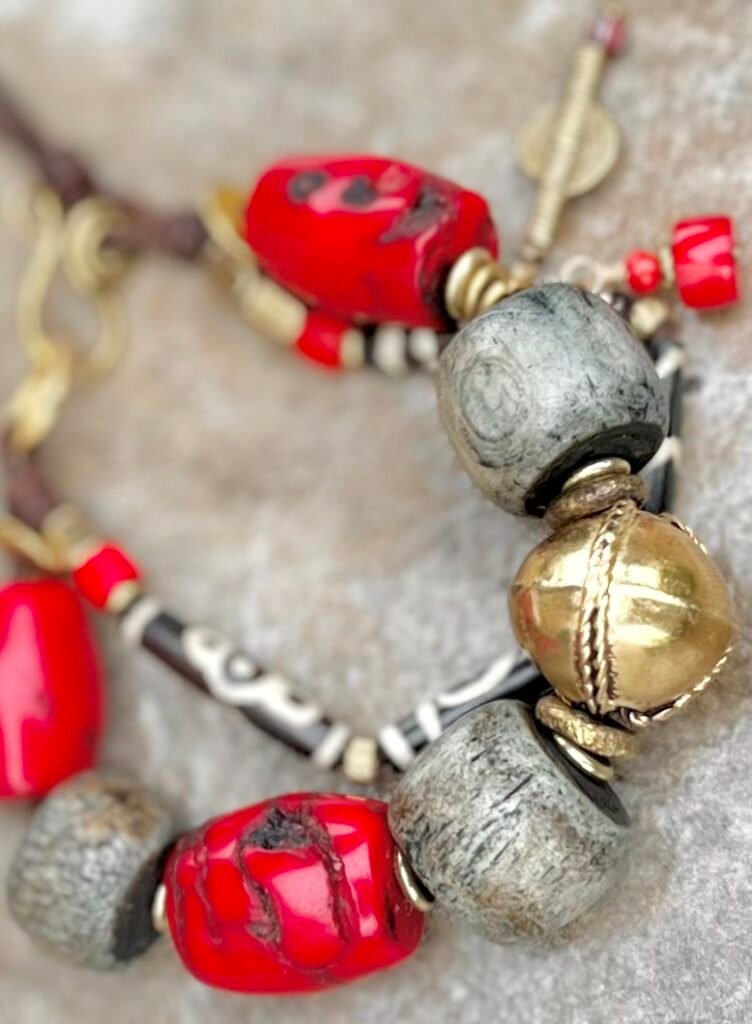
Wood, another prominent material, offers a warm, organic feel to beadwork. Different tribes employ distinctive types of wood, such as ebony and sandalwood, to export regional identities through their craft. The wood can be carved into various shapes, allowing artisans to express their creativity while adhering to traditional designs. In addition, the choice of wood often ties back to local beliefs, as certain woods are believed to possess spiritual significance.
Clay beads are equally important, reflecting the rich heritage of the various African cultures that produce them. Pottery techniques, such as coiling or pinching, are used to create beads that are not only aesthetically pleasing but also imbued with cultural stories. The choice of clay, often sourced from specific geographical locations, plays a significant role in the final product’s color and texture, providing insights into both landscape and identity.
Overall, the use of these natural materials—seeds, wood, and clay—in African bead-making showcases a deep-rooted heritage. They provide not only functional aesthetics but also serve as vessels of cultural expression, linking contemporary artisans with their historical past.
Dyeing Techniques
Vibrant Colors from Nature
In the realm of African bead-making, dyeing techniques play a pivotal role in creating the vivid colors that characterize tribal beads. Traditionally, artisans have relied on an array of natural materials, including plants, minerals, and even insects, to produce dyes. The process often begins with the careful selection of dyeing agents sourced from local flora and fauna, ensuring that the resulting hues resonate with the cultural significance tied to color within their communities.
For instance, the leaves of the indigo plant yield a rich blue dye, which is highly esteemed in various African cultures. Similarly, roots and barks from specific trees impart deep reds and warm yellows, each shade carrying its own symbolism. Moreover, the intricate technique of extracting pigments from the bark of trees or the flowers of plants involves boiling the materials, allowing the color to seep into the water, which is then used in the dyeing process. This results in an eco-friendly method that contrasts sharply with synthetic dyes.
The symbolism of color varies remarkably across the continent. For example, in some tribes, red is representative of strength and bravery, while blue may symbolize peace and harmony. Understanding these meanings is essential for both artisans and collectors alike, as the colors individuals choose often reflect deeper messages or cultural narratives. Bead-makers not only enhance the aesthetic value of their work through color application but also infuse layers of meaning that celebrate their heritage.
This interplay of nature and artistry in bead dyeing underscores the importance of preserving these ancient techniques. The knowledge passed down through generations ensures the continuity of not only the craft but also the stories embedded within each vibrant bead, illuminating the rich tapestry of African tribal culture.
The Role of Beads in African Culture and Identity
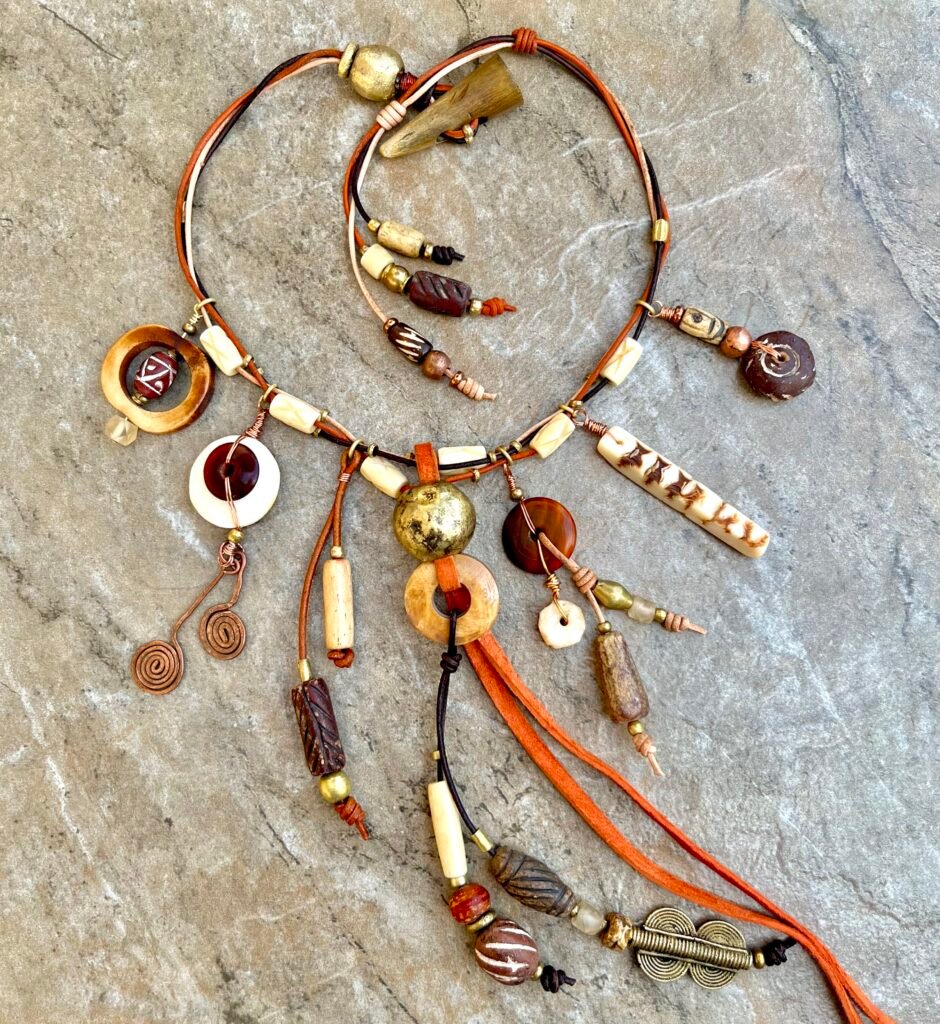
Beads hold a significant place in many African cultures, serving multiple roles that transcend mere decorative purposes. They are deeply intertwined with the social fabric and identity of various tribes across the continent. In many societies, beads are not only items of adornment but are integral to ceremonial practices, including weddings, initiation rites, and funerals. For instance, in the Zulu culture, beads are often worn to signify social status, marital status, and age, offering a visual language through which personal and communal identities are expressed.
In addition to their ceremonial use, beads are often viewed as status symbols. The craftsmanship and the materials used in bead-making vary significantly, and certain types, such as those made from precious stones or intricately designed beads, can signify wealth. Artisans often take pride in their work, and their creations can reflect their skills and their community’s heritage. For example, in the Maasai culture of Kenya and Tanzania, elaborate beadwork is a form of artistic expression and pride, with each design conveying particular meanings, such as clan affiliation or life transitions.
Everyday life also sees the integration of beads, with many individuals incorporating them into their attire as a cultural statement. The adornment of everyday clothing with beads not only enhances aesthetic appeal but also serves to reinforce cultural identity. Personal stories from artisans highlight how the process of bead-making fosters a sense of belonging and continuity with the past. For instance, an artisan from the Himba tribe noted, “Every bead I create carries the history and traditions of my ancestors, and when people wear them, they carry our stories forward.”
In conclusion, beads in African culture are multifaceted, serving various functions ranging from ceremonial importance to everyday expressions of identity and status. These small objects embody rich histories and customs, connecting individuals to their cultural heritage and affirming their collective identities.
Contemporary Uses of Traditional Beadwork
In recent years, there has been a notable resurgence in the appreciation of African tribal beadwork within contemporary art, fashion, and jewelry design. This revival is not merely a passing trend; it reflects a growing global interest in African textiles and crafts, highlighting the rich cultural heritage embodied in these traditional practices. Designers from various backgrounds are increasingly drawing inspiration from traditional beadwork, resulting in a vibrant fusion of historical techniques and modern aesthetics.
Contemporary artisans often blend indigenous beadwork methods with innovative design principles to create unique, striking pieces that resonate with today’s consumers. The use of traditional materials such as glass, clay, and natural fibers remains prevalent, but these elements are frequently adapted to fit modern stylistic preferences. This synthesis not only preserves the techniques and stories associated with these beads but also introduces new audiences to the significance of African craftsmanship.
The socio-economic impact of this revival is significant. By bringing traditional beadwork into the marketplace, artisans and craftspeople are finding new opportunities for income, thereby strengthening local economies. Small businesses are emerging, and established brands are starting to incorporate traditional beadwork into their collections, promoting ethical consumption that benefits local communities. Moreover, as awareness of the cultural narratives behind these pieces grows, consumers are becoming more informed about the values associated with their purchases, thereby fostering a deeper connection to the art form.
As the intersection of tradition and modernity continues to evolve, African tribal beadwork stands as a testament to adaptability and resilience. This artistic heritage not only lives on but thrives, creating a dialogue between the past and present that enriches both the creators and those who appreciate their work.
Preserving Heritage Through Art
The craft of bead-making occupies a significant place within African culture, representing not just artistic expression but also a vital link to heritage and identity. As technology advances, the traditional techniques and materials that have been passed down through generations face challenges that threaten their survival. A growing number of artisans struggle with economic pressures, often yielding to mass-produced alternatives that lack the depth and meaning inherent in handmade items. The proliferation of synthetic materials further complicates this landscape, as the authentic, locally-sourced resources used by traditional bead-makers become less accessible.
Despite these obstacles, various initiatives are emerging to support and revitalize the age-old art of African bead-making. Many organizations and non-profits are teaching skills and promoting awareness of the importance of handcrafted artifacts in preserving cultural narratives. Workshops, exhibitions, and collaborations with designers help elevate the status of these crafts and ensure that the knowledge of bead-making is passed down to younger generations. Additionally, the rise of e-commerce has provided artisans greater access to global markets, allowing them to share their creations while fostering appreciation for their cultural significance.
It is crucial for individuals and communities alike to recognize the value of these handmade works, viewing them not merely as decorative items but as embodiments of history and tradition. By choosing to support authentic African crafts—whether through purchasing, sharing knowledge, or participating in local art events—people can actively contribute to the preservation of this intricate craft. Ultimately, honoring and appreciating the rich artistry of African tribal beads helps safeguard the heritage that they represent, ensuring that future generations can experience and learn from this vibrant cultural legacy.